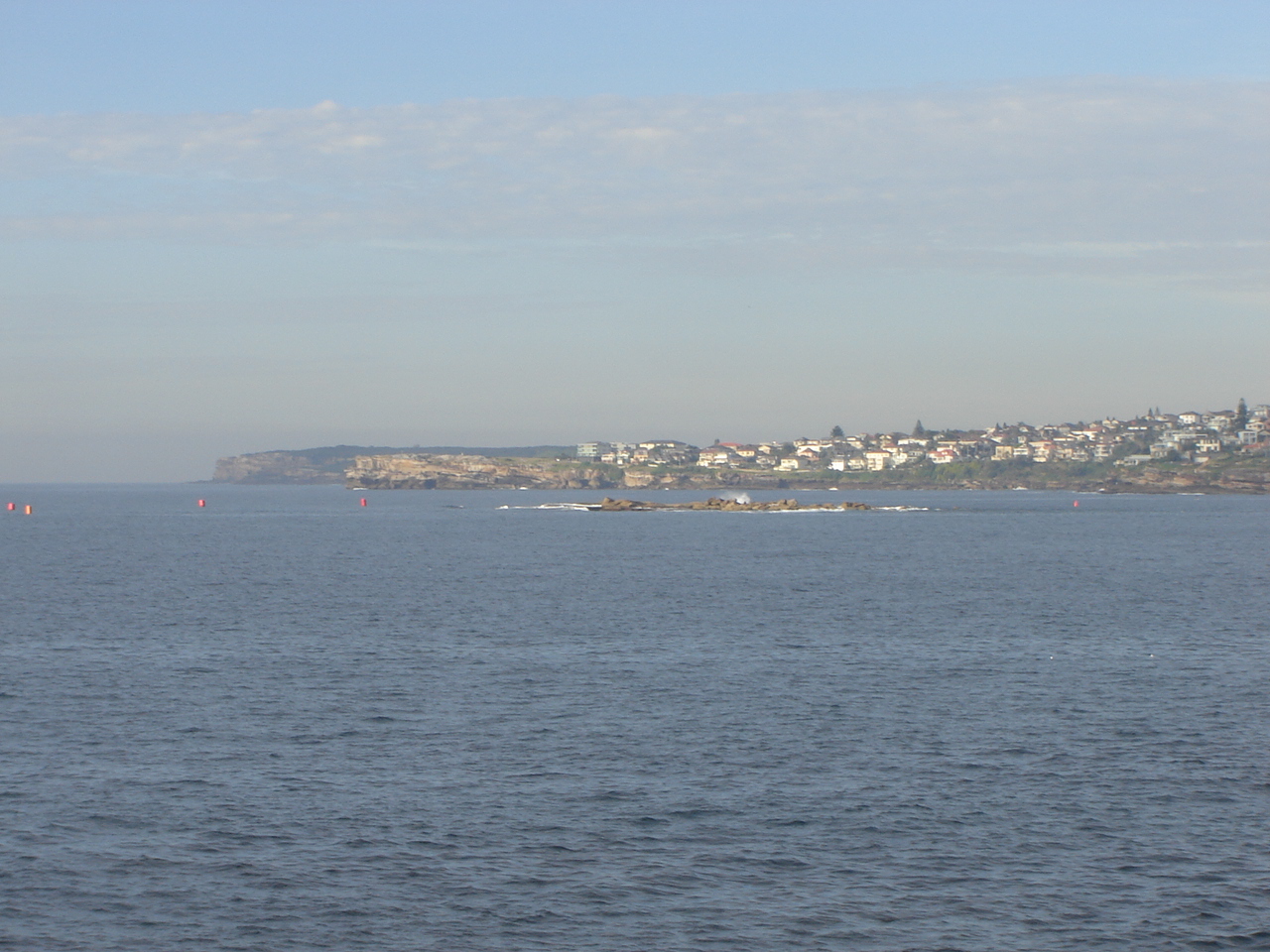
Nestled just a kilometre off the vibrant shores of Coogee Beach in Sydney, New South Wales, lies a captivating natural wonder that plays a pivotal role in shaping the local coastal environment and marine ecosystem: Wedding Cake Island. Far more than just a picturesque rock formation, this small, rocky reef is a geological marvel, a haven for diverse marine life, and a beloved landmark whose unique name sparks curiosity. From its origins as an ancient sandstone relic to its current status as a premier diving and swimming destination, Wedding Cake Island embodies the rugged beauty and rich biodiversity characteristic of Sydney’s spectacular coastline.
For locals and visitors alike, exploring Wedding Cake Island offers a glimpse into an underwater world teeming with life, while its presence above the Tasman Sea provides a constant, reassuring backdrop to the bustling activity of Coogee Beach. This comprehensive guide will delve into the multifaceted appeal of this iconic Sydney landmark, uncovering its geological secrets, celebrating its ecological riches, and offering practical insights for those eager to experience its charm firsthand.
Coogee's Iconic Landmark: More Than Just a Pretty Name
Visible from the southern headland of Coogee Bay, Wedding Cake Island holds a special place in the hearts of those familiar with Sydney's eastern suburbs. Officially registered with its distinctive moniker in 1977, the island's name perfectly encapsulates its visual appeal. When viewed from a distance, particularly on a day when white-capped waves crash over its rocks or sea birds have left their mark, the island takes on the charming appearance of a tiered wedding cake, complete with a generous frosting of white. This whimsical imagery is not just a local anecdote; it famously inspired the title of Midnight Oil's instrumental track from their 1980 album, Bird Noises, cementing its place in Australian cultural lore.
Beyond its endearing name and cultural impact, Wedding Cake Island serves a crucial environmental function for Coogee Beach. This unassuming cluster of rocks, stretching approximately 150 metres long and 50 metres wide and barely protruding a few metres above the water at high tide, acts as a natural breakwater. Positioned strategically, it shelters Coogee Beach from the brunt of southerly swells emanating from the expansive Tasman Sea. This protective barrier is instrumental in creating the calmer, more placid conditions that make Coogee such an ideal spot for family swimming, paddleboarding, and other recreational activities. Without Wedding Cake Island, Coogee Beach would likely experience far rougher waters, diminishing its appeal as a safe and accessible urban haven.
A Geological Marvel: Sculpted by Time and Tide
The very existence of Wedding Cake Island is a testament to millions of years of geological processes. Geologically, it forms an intrinsic extension of Coogee's southern headland, hinting at a shared, ancient past. This small, uninhabited islet, with its approximate coordinates of 33°55′33″S 151°15′55″E, is composed of the characteristic ancient sandstone formations found throughout the Sydney Basin, dating back over 100 million years to the Triassic period. These resilient rock layers have withstood millennia of erosion, carving out the dramatic coastal landscapes we see today.
The formation of Wedding Cake Island is a captivating story of Earth's dynamic history. It represents a remnant ridgeline from prehistoric landscapes, once part of a more extensive landmass bounded by ancient river valleys. As the last ice age concluded around 18,000 years ago, global sea levels began their dramatic rise, eventually stabilizing around 6,500 years ago, approximately 120 metres higher than their glacial peak. This post-glacial sea level rise relentlessly eroded and reshaped the coastline, transforming inland features into isolated offshore stacks like Wedding Cake Island through relentless wave action and abrasion. Its stack-like structure is a vivid illustration of the interplay between resistant sandstone layers and the ongoing, powerful forces of marine erosion, constantly sculpted by the strong ocean currents and swells that sweep in from the Tasman Sea. For a deeper dive into its fascinating origins, be sure to read The Secret of Wedding Cake Island: Uncovering Its Name and Geology.
Underwater, the geology continues to impress. The reefs surrounding Wedding Cake Island drop from shallow depths of just 5 metres to sandy bottoms at a maximum of 22 metres. This underwater topography features an intricate network of walls, dramatic overhangs, mysterious caves, and abundant ledges, all providing a diverse and protected environment crucial for the thriving marine life found here.
Diving into Biodiversity: Wedding Cake Island's Underwater Kingdom
Beneath the seemingly calm surface surrounding Wedding Cake Island lies a vibrant, bustling underwater kingdom, making it one of Sydney's most cherished diving and snorkelling destinations. The island's unique geological structure and its location, relatively untouched by heavy human activity despite its proximity to a major city, contribute to a remarkably rich and healthy marine habitat. Divers and ocean swimmers are consistently awestruck by the sheer biodiversity on display.
The waters around Wedding Cake Island teem with an array of captivating fish species. Common sightings include the masters of camouflage, wobbegongs, often spotted resting on sandy ledges. The majestic blue groper, New South Wales' state fish, can often be seen gracefully navigating the reef, its vibrant blue a stark contrast to the surrounding corals. Schools of snapper and luderick dart through the waters, while the elusive and strikingly beautiful eastern blue devils hide within crevices and caves. Beyond the finned residents, the reef is a macro photographer's dream, home to an incredible variety of invertebrates: colourful nudibranchs, intelligent cuttlefish displaying their hypnotic colour changes, filter-feeding sea squirts and sponges, and a surprising array of both soft and hard corals that cling to the rocky substrate.
This abundance and diversity of marine life highlight the ecological significance of Wedding Cake Island. While it lies within Sydney's bustling urban coastal zone, it currently does not possess formal marine protected status, underscoring the importance of responsible interaction from visitors to help preserve its pristine condition. Its clear waters and accessibility, primarily by boat in calm conditions, offer an unparalleled opportunity to connect with Sydney's underwater world, a truly enriching experience that reveals the hidden beauty of the Tasman Sea.
Experiencing Wedding Cake Island: Tips for Exploration
For those eager to experience the allure of Wedding Cake Island beyond merely viewing it from Coogee Beach, several rewarding activities await:
- Scuba Diving: Without a doubt, scuba diving is the most popular way to explore Wedding Cake Island's vibrant underwater world. Numerous dive operators in Sydney offer guided trips to the island, catering to various skill levels. Divers can explore the fascinating ledges, overhangs, and small caves, encountering an incredible array of marine species.
- Ocean Swimming: For experienced and strong ocean swimmers, joining organised ocean swimming events that circumnavigate the island is a thrilling challenge. It's crucial to only attempt such a swim with proper support, safety protocols, and ideal weather conditions due to currents and boat traffic. Solo swims are highly discouraged.
- Snorkelling: While best from a boat, snorkelling around the shallower parts of the island offers a glimpse of the abundant fish and coral life. Calm conditions are essential for a safe and enjoyable experience.
- Boating/Kayaking: Paddling a kayak or taking a small boat out to the island allows for surface-level exploration and photography. Always check weather forecasts and marine conditions, as the Tasman Sea can be unpredictable.
Practical Tips for Visitors:
- Check Conditions: Always prioritise safety. Strong currents and choppy conditions can make accessing the island dangerous. Consult local marine forecasts and advice from dive operators.
- Access: The island is primarily accessible by boat. Private boat owners should be aware of local regulations and hazards. For divers, booking with a reputable dive charter is the safest and most convenient option.
- Respect the Environment: Wedding Cake Island is a delicate ecosystem. Avoid touching marine life, corals, or disturbing the natural environment. Take all rubbish with you and practise responsible boating.
- Best Time to Visit: The warmer months (November to April) generally offer better visibility and warmer water temperatures for diving and swimming. However, the marine life is present year-round.
- Viewing from Shore: Even if you can't get out to the island, a walk along the Coogee Coastal Walk, particularly near the southern headland, offers spectacular views of Wedding Cake Island against the backdrop of the vast Tasman Sea.
Wedding Cake Island is more than just a cluster of rocks off Coogee Beach; it's a testament to nature's enduring power and beauty. From its ancient geological foundations and intriguing name to its vital role as a natural breakwater and a thriving marine sanctuary, this iconic Sydney landmark offers a wealth of experiences. Whether you're an avid diver, a curious explorer, or simply someone who appreciates the serene beauty of the coast, Wedding Cake Island stands as a proud sentinel of the Tasman Sea, inviting all to discover its charm and protect its irreplaceable natural heritage.